
Exhibition
【展覧会のご案内】「儚い青:日本画の時間と記憶」7月21日〜主催:永善堂画廊
July 21, 2026
Opening Reception 儚い青:日本画の時間と記憶 — 川端龍子・中村岳陵・山口蓬春・竹内浩一・二川和之
川端龍子、中村岳陵、山口蓬春、竹内浩一、二川和之
日展系日本画を代表する五人の作品を並べると、最初は「どれも上手で綺麗な日本画」という印象を持たれる方も少なくないかもしれません。けれども、その「綺麗」は決して単調なものではなく、各作家がそれぞれの時代と感性のなかで育んできた、美意識の違いとして静かに現れてきます。
川端龍子には、大胆な画面構成と、見る者を引き込む強い求心力があります。
中村岳陵には、色彩と装飾に対する繊細な感覚があり、静かな画面のなかに品のある緊張を宿しています。
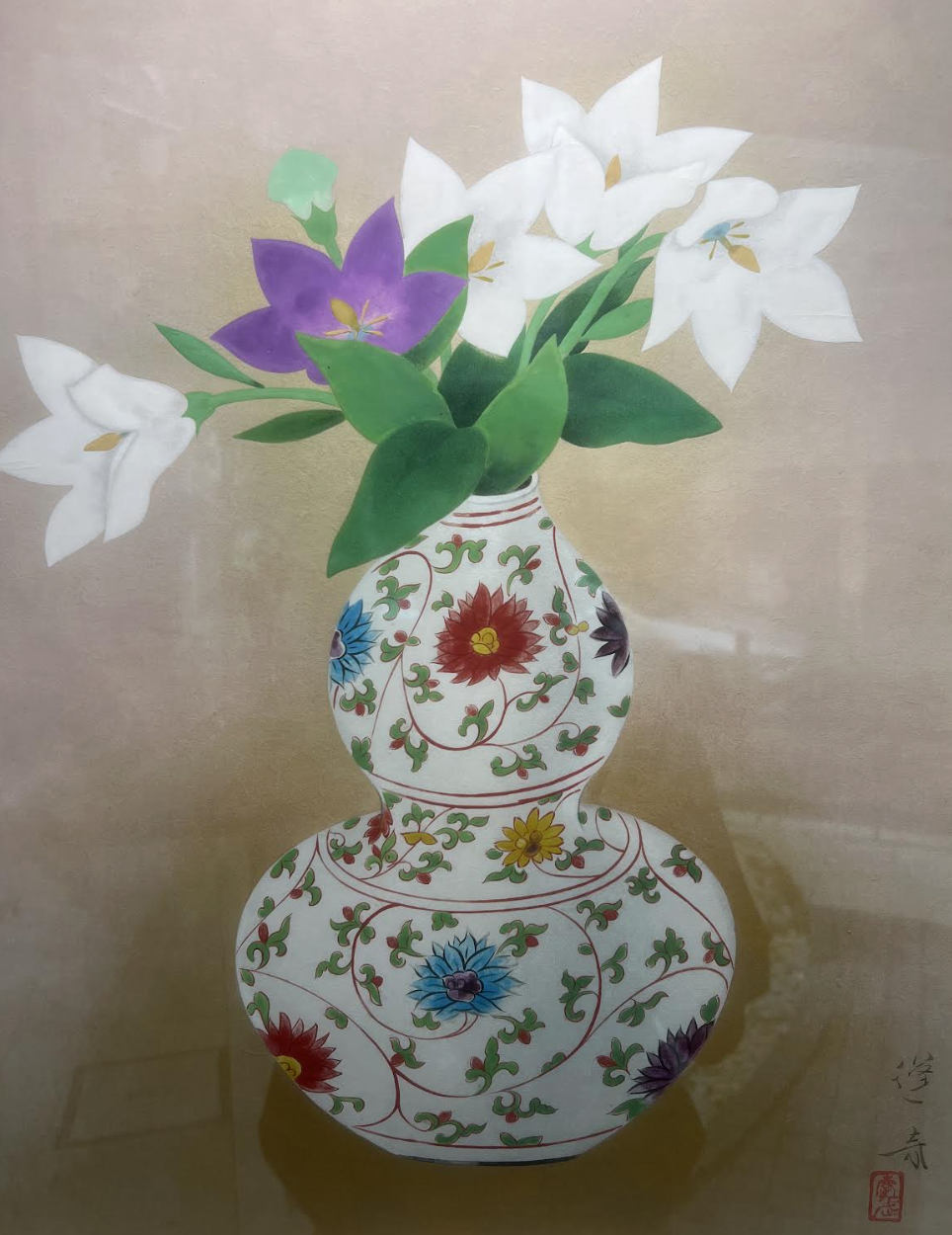
山口蓬春には、花鳥に寄せる詩情と、季節の気配をやわらかくとらえる感性があります。
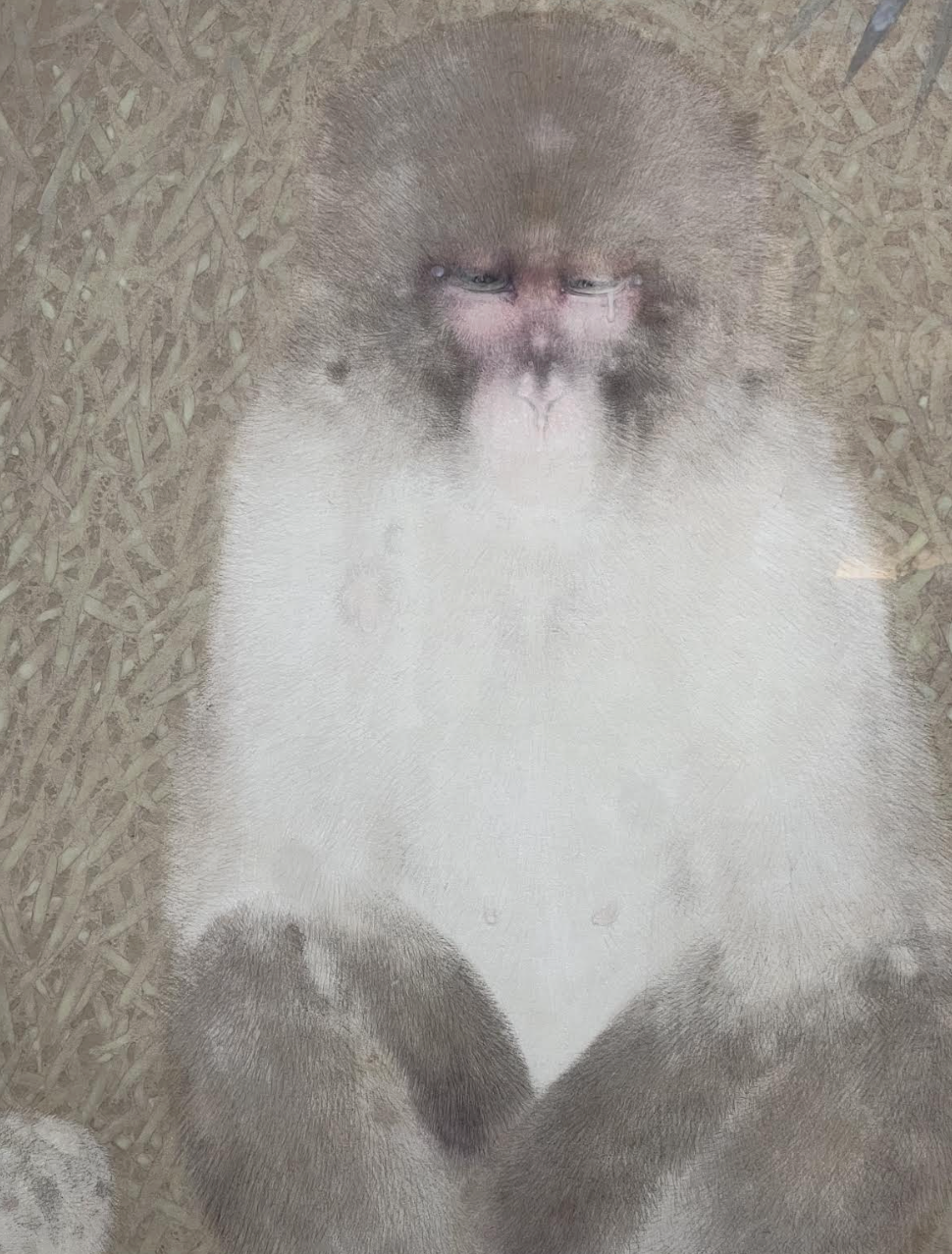
竹内浩一には、猿やウサギをはじめとする生きものたちに向けられた、静かなまなざしと生命への敬意が感じられます。
そして二川和之には、伝統を現代の感覚へとそっとつなぎ直す、確かな応答があります。
あるコンテンポラリー画廊のディレクターは、彼らの作品を「まとまると落ち着く良さがある」と評しました。
その言葉通り、彼らの作品は「派手な実験性」や「過激な問い」よりも、技術と構成の確かさ、そしてどこか安心感のある美しさに支えられています。
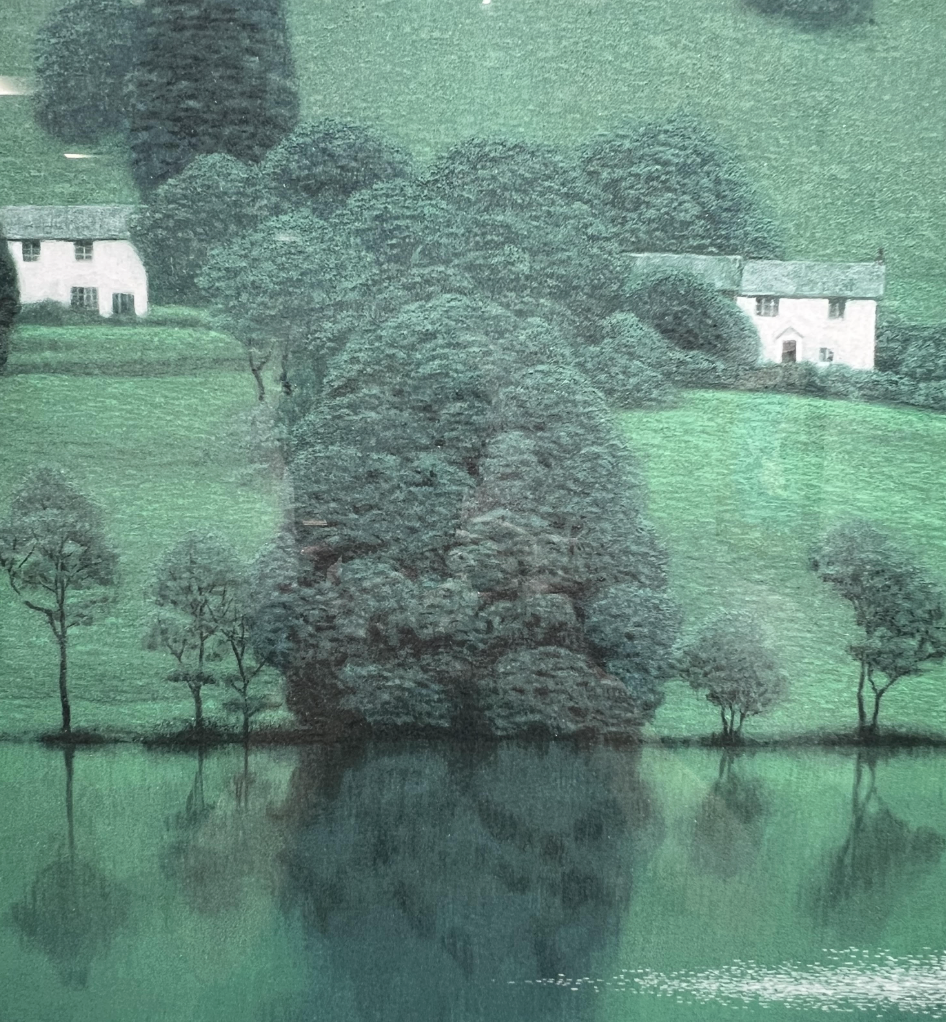
本展では、その一見すると“安全”に見える美しさの向こう側、それぞれの表現がどのように根付いているのかを、水辺と青を軸に見つめます。五人の「水辺」と「青」を並べて観ることで、同じ日本画でも、これほど表現の核が異なることが実感できるはずです。
日本画の魅力は、ぼかしや余白、繊細な色の重なりが生み出す静かな奥行きにあります。
それは、作品を単独で強く主張させるというより、空間の中に穏やかに溶け込み、見る人の感覚を整えていく力です。それは日本人の国民性にも通じます。
そうした日本画ならではの魅力を、五人の作家の表現を通して見つめ直すとともに、現代の生活空間のなかでそれらがどのように響き合い、どのような居心地の良さをもたらすのかを、インテリア・デザインの視点からもご提案したいと考えています。
「綺麗な絵」という率直な感想を出発点に、五人の作品の向こう側にある静かなる野心と執念に近づいていきます。あわせて、リビングや書斎、エントランスといった生活空間において、日本画がいかに自然に馴染み、空間を整え、雰囲気を穏やかにし、静かな集中力を支える存在となるのかを見つめ直します。
(ディレクター)
日本画「綺麗」の奥には、確かな構成力と美意識があります。けれども作品は、はっきりとした輪郭を主張するというより、窓の向こうを眺めるように、空間の中へ静かに溶けていきます。
作品は強く自己主張するのではなく、むしろ空間のなかに穏やかに溶け込み、心地よさや調和がひとつの美として受け止められていた時代の感覚が、垣間見えるように思います。
同時に、彼らの作品が現代の生活空間の中でどう機能し、どのような居心地の良さをもたらすのかを、インテリア・デザインの視点からも提案できればと思います。
【Exhibition】
Ephemeral Blue: Time and Memory in Nihonga
— Ryushi Kawabata, Gakuryo Nakamura, Hoshun Yamaguchi, Koichi Takeuchi, Kazuyuki Futagawa
Organized by Eizendo Gallery
Exhibition Overview】
When the works of five leading Nihonga painters associated with the Nitten tradition—Ryushi Kawabata, Gakuryo Nakamura, Hoshun Yamaguchi, Koichi Takeuchi, and Kazuyuki Futagawa—are presented together, some viewers may initially feel that they are all simply “well-executed and beautiful Japanese paintings.”
Yet this “beauty” is far from uniform. It emerges quietly as a reflection of each artist’s distinct aesthetic, shaped by their respective eras and sensibilities.
Kawabata’s work is marked by bold compositions and a powerful visual pull that draws the viewer inward.
Nakamura reveals a refined sensitivity to color and ornamentation, creating a quiet yet dignified tension within the pictorial space.
Yamaguchi captures poetic sentiments through flowers and birds, delicately conveying the atmosphere of the seasons.
Takeuchi expresses a quiet gaze and deep respect for life through his depictions of animals such as monkeys and rabbits.
Futagawa, meanwhile, offers a thoughtful response that gently reconnects tradition with contemporary sensibilities.
A director of a contemporary gallery once described their works as possessing “a calming coherence when seen together.” Indeed, rather than relying on overt experimentation or provocative inquiry, these works are supported by technical mastery, compositional strength, and a sense of reassuring beauty.
This exhibition looks beyond what may initially appear as a “safe” beauty, focusing instead on how each artist’s expression is rooted and sustained. Using the themes of water and the color blue as a unifying axis, the exhibition reveals how profoundly different the core of expression can be, even within the shared framework of Nihonga.
The appeal of Nihonga lies in its subtle depth—created through gradation, negative space, and delicate layering of color. Rather than asserting themselves strongly, these works gently integrate into their surroundings, bringing a sense of calm and balance to the viewer’s perception. In this way, they may also resonate with aspects of Japanese cultural sensibility.
Through the works of these five artists, this exhibition reconsiders the unique qualities of Nihonga. At the same time, it proposes how such works can harmonize with contemporary living spaces and contribute to a sense of comfort and refinement, viewed from the perspective of interior design.
Starting from the simple impression of “beautiful paintings,” the exhibition invites viewers to approach the quiet ambition—and near-obsessive dedication—embedded within these works. It also reexamines how Nihonga can naturally integrate into spaces such as living rooms, studies, and entrance areas, enhancing atmosphere, fostering calmness, and supporting quiet concentration.
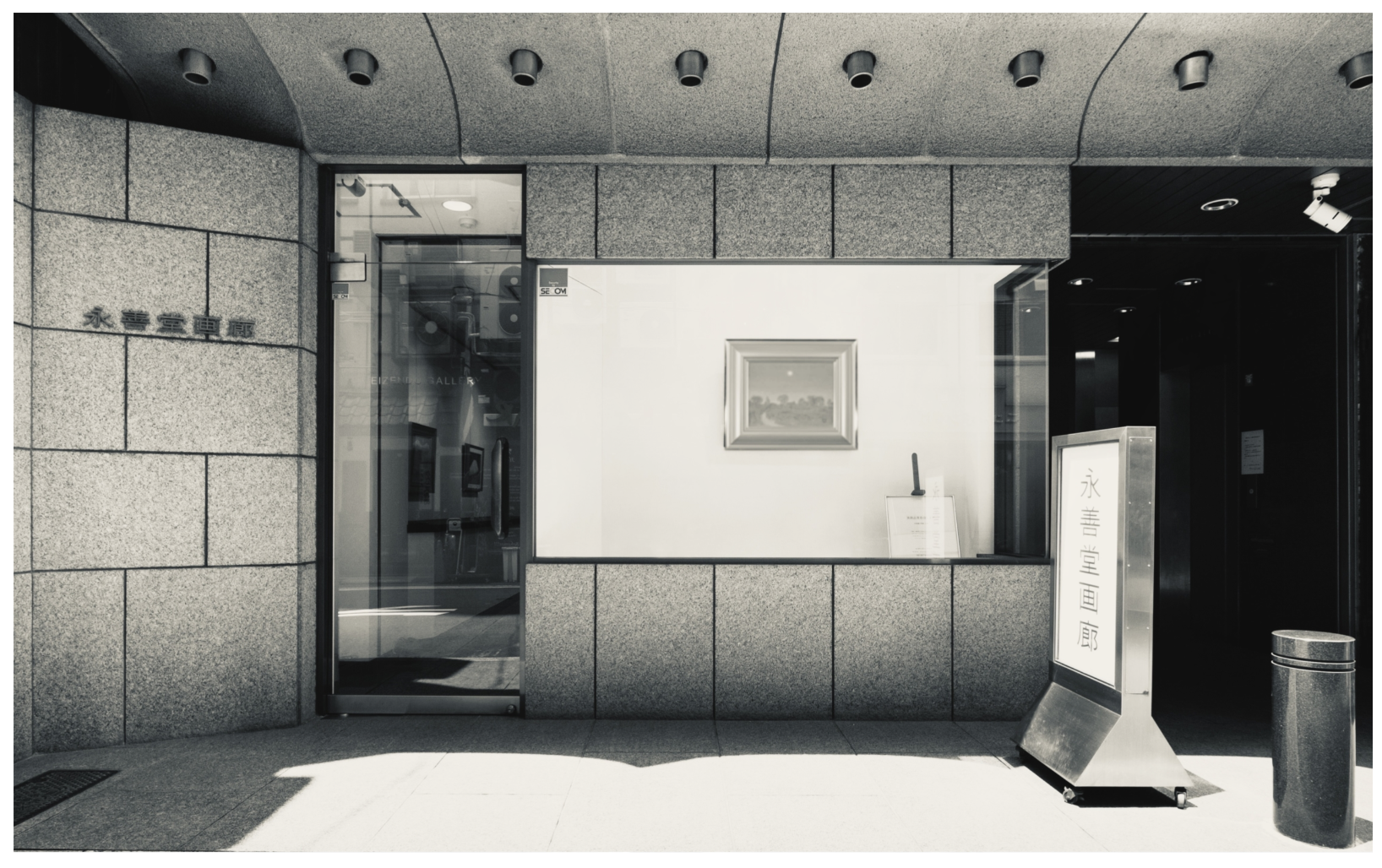
【Profile】 Organized by Eizendo Gallery
永善堂画廊は1953年に創業して以降、多くの美術作品をお客様にご紹介して参りました。創業70年を迎えた現在も、お客様と優品との出会いの場所でありたいと心がけております。
一人でも多くの方が、美術品と触れ合う暮らしを楽しんでくださること、そして、その時間が皆様にとって憩いの時となることを願います。美術と触れ合う暮らし、「life in art」を楽しんで頂くためのお手伝いができましたら幸いに存じます。
代表取締役 ⼭村 浩⼀
